Planning a Steel Building? What Every Platteville Farmer Should Know
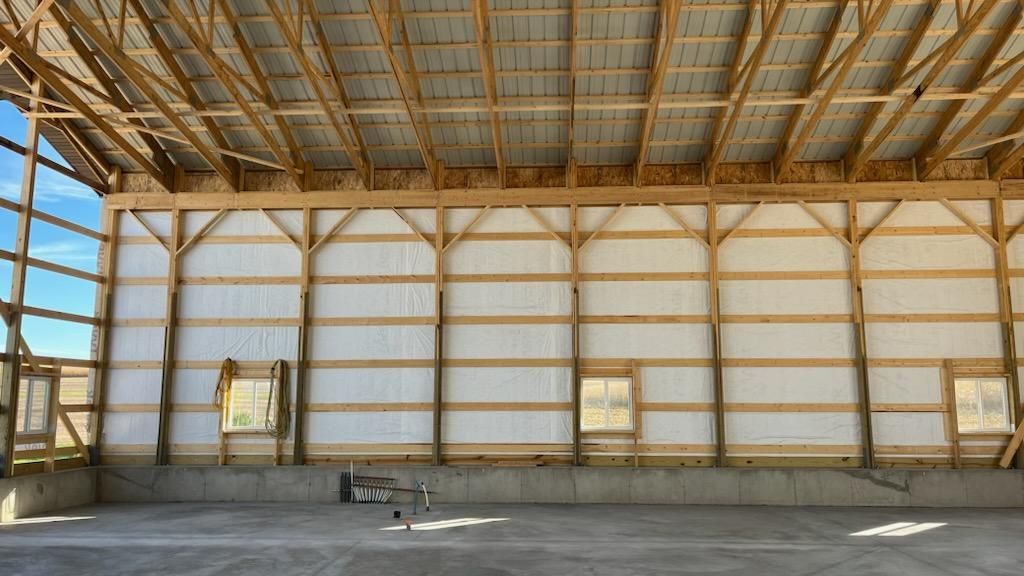
Practical guidance from Martin Construction of Platteville for building a durable, efficient agricultural structure in Southwest Wisconsin
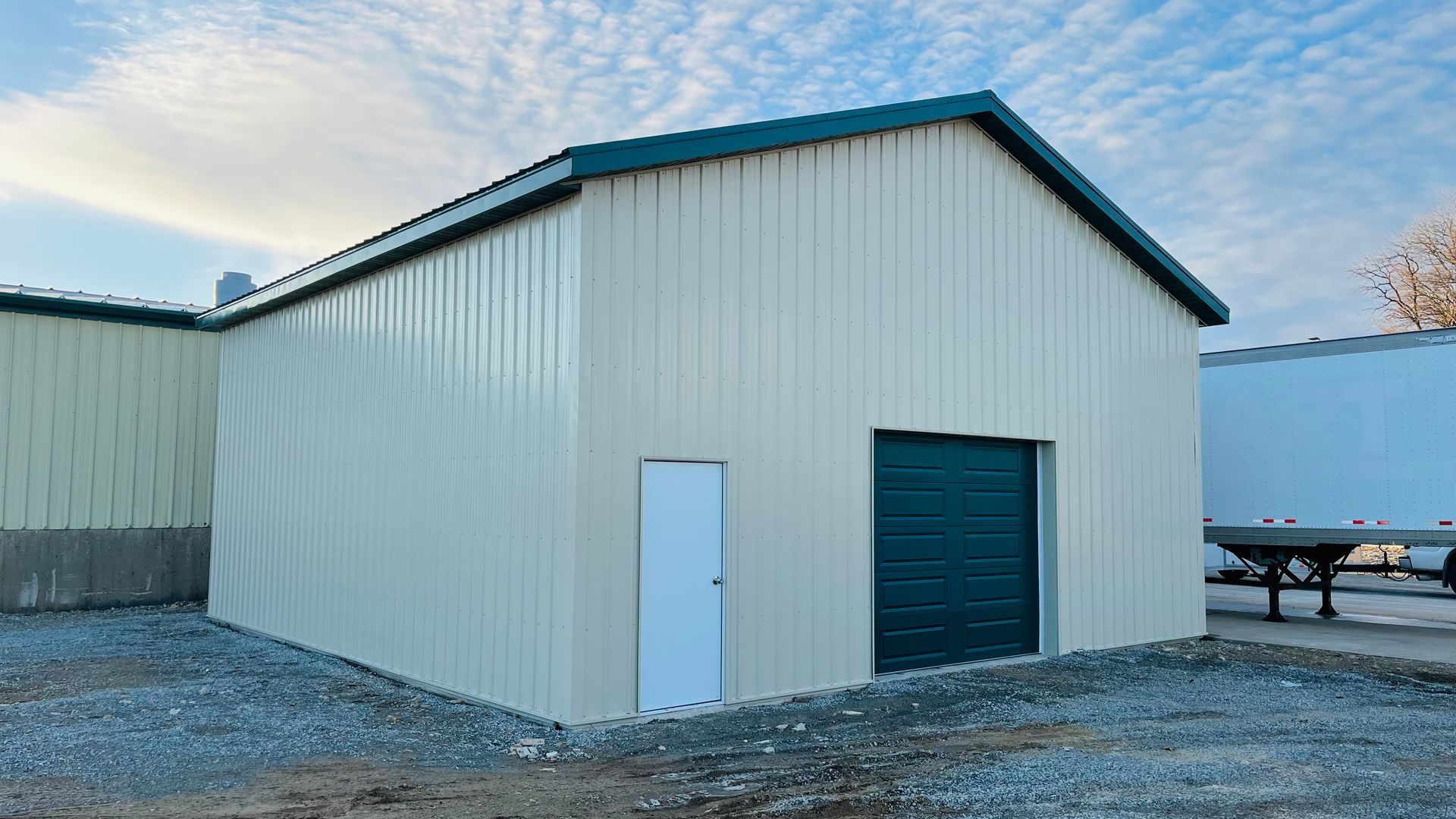
When it comes to farm operations, the right building is not a luxury. It is a working asset that affects storage, workflow, equipment protection, livestock care, and long-term efficiency. For farmers in Platteville, WI and the surrounding area, steel buildings have become a smart solution for everything from machinery storage and workshops to livestock shelters and agricultural storage facilities.
But planning a steel building is not as simple as picking a size and pouring concrete. A successful ag building project starts with the right design, the right site preparation, and the right construction team. At Martin Construction of Platteville, we help farmers plan buildings that are built for real-world use, not just to look good on paper.
Here is what every Platteville farmer should know before starting a steel building project.
Start with the Purpose of the Building
Before discussing dimensions, materials, or layout, the first question is simple: what will the building actually be used for?
That answer drives every other decision. A steel building used for hay storage will have very different requirements than one designed for machinery, livestock, or a farm shop. Some farmers need a clear-span structure for maneuvering large equipment. Others need partitioned areas for storage, maintenance, or animal use. Door placement, ventilation, insulation, lighting, and floor design all depend on how the building will function day to day.
A building that is too small, poorly laid out, or not designed around your workflow can create daily frustration for years. Planning around current needs is important, but so is thinking ahead. If your operation may expand, the building should support future growth rather than limit it.
Choose the Right Size the First Time
One of the most common mistakes in ag building planning is underestimating how much space is needed.
It is easy to focus on current equipment or immediate storage demands, but farms rarely stay static. Equipment gets larger. Storage needs increase. Operations change. A building that seems large enough today may feel tight much sooner than expected.
When planning a steel building, consider not only square footage, but also height, access, and turning clearance. A building needs to work efficiently for tractors, combines, trailers, skid steers, and other equipment. Overhead door size and placement matter just as much as floor space. Interior clearance is also critical, especially if the building will house large machinery or stacked storage.
Building with the future in mind often saves money compared to needing another addition or replacement later.
Site Selection Matters More Than Many Farmers Expect
A strong steel building starts with a properly chosen and properly prepared site.
Drainage is one of the biggest factors. In Platteville and across Southwest Wisconsin, weather conditions can put a building site to the test. Water management is essential for protecting the foundation, preventing erosion, and keeping the area around the structure usable. A poorly placed building can lead to standing water, muddy access points, and ongoing maintenance problems.
Access is another major consideration. The building should be easy to reach with large equipment in all seasons. That includes thinking through approach angles, traffic flow, and how the building connects to the rest of the farm.
The building’s orientation can also affect snow drifting, sun exposure, and usability. These details can make a noticeable difference in how well the structure performs over time.
Do Not Overlook the Foundation
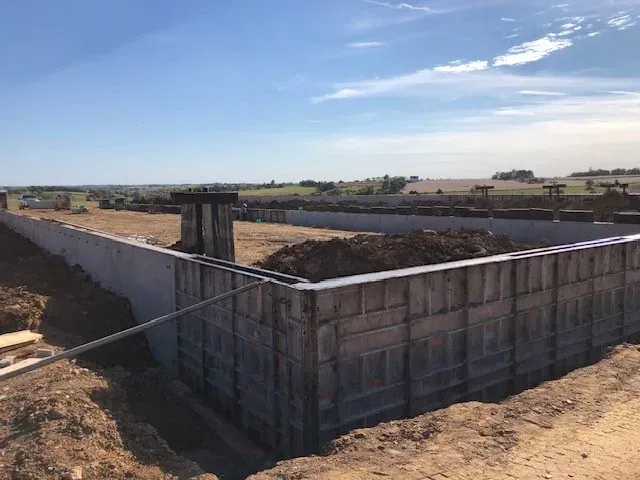
No matter how well a steel building is engineered, it is only as good as the foundation beneath it.
Foundation work needs to match the building’s intended use, load requirements, and site conditions. A farm shop with heavy equipment traffic will not have the same slab requirements as a basic storage building. Soil conditions, grading, and compaction all play a role in long-term performance.
Cutting corners here can lead to cracking, settling, drainage issues, and expensive repairs. That is why working with a contractor who understands both agricultural building needs and proper site preparation is so important.
At Martin Construction of Platteville, we know that the work below the building is just as important as the structure above it.
Think Through Access Points and Interior Layout
A steel building should make daily work easier, not harder.
That means planning entrances, overhead doors, sliding doors, and interior space with real farm use in mind. Equipment needs room to enter, turn, unload, and exit without constant repositioning. Farmers also benefit from strategically placing service doors, work areas, and storage zones.
For some operations, a simple open layout is best. For others, dividing the structure into functional areas improves efficiency. A well-planned layout can reduce wasted steps, improve organization, and make maintenance tasks easier year-round.
This is where experience matters. A builder familiar with agricultural structures can help identify layout details that make a major difference once the building is in use.
Ventilation and Insulation Should Be Planned Early
Many farmers focus first on the shell of the building and address ventilation or insulation later. That is usually a mistake.
If the building will store machinery, crops, feed, or livestock, airflow matters. Proper ventilation helps control moisture, reduce condensation, and protect both the structure and its contents. Condensation inside a steel building can lead to rust, mold, and damage to stored materials or equipment.
Insulation can also be a major factor depending on how the building will be used. Heated shops, livestock spaces, and year-round work areas all benefit from a well-thought-out insulation strategy. Even in unheated buildings, controlling condensation and temperature swings can improve performance and longevity.
These systems work best when included in the design from the beginning, not treated as afterthoughts.
Understand Local Code and Permit Requirements
Every building project has to meet local requirements, and agricultural buildings are no exception.
Zoning, setbacks, permit requirements, and building code considerations can affect where and how a steel building is constructed. Farmers do not need extra delays caused by paperwork issues or missed requirements.
Working with an experienced local contractor can simplify the process. A builder who understands the Platteville area can help navigate planning requirements and keep the project moving in the right direction.
Durability Is Important, but So Is Quality Construction
Steel buildings are known for strength and longevity, but the material alone does not guarantee a good result.
The quality of construction, site work, concrete, framing, and installation all affect how well the building performs over time. Even a high-quality steel package can become a problem if the project is rushed or poorly executed.
That is why choosing the right builder matters. Farmers need more than a supplier. They need a contractor who understands how agricultural buildings are used and what it takes to construct them correctly in Wisconsin conditions.
Work with a Builder Who Understands Agriculture
Farm buildings are different from standard commercial projects. They need to be practical, efficient, and built around how agricultural operations actually function.
At Martin Construction of Platteville, we work with farmers to create steel buildings that fit their land, support their workflow, and stand up to the demands of daily use. From site preparation and concrete work to full construction, we take a straightforward approach focused on quality and long-term value.
If you are planning a steel building for machinery storage, a workshop, livestock use, or another agricultural purpose, getting the early decisions right can save time, money, and frustration later.
Build It Right from the Start
A steel building is a major investment in your farm’s future. The best results come from careful planning, smart design, and experienced construction.
If you are a farmer in Platteville, WI or the surrounding area and are considering a new agricultural steel building, Martin Construction of Platteville is ready to help. We build ag structures designed for the way you work, with the strength and functionality your operation depends on.
Contact Martin Construction of Platteville today to discuss your next steel building project.